◆
Japanese fabric sourcing
Every piece starts with fabric sourced from mills in Nishiwaki and Kiryu. We visit in person twice a year and select runs by hand.
Sat 12:00-17:00 (showroom, by appointment); online orders accepted 24/7
Refined swimwear and lingerie, made in Shimokitazawa since 2018.
We argued about cup seam placement until we got it right.
Nex Core Flow Path started in a rented room in Shimokitazawa in the autumn of 2018. Yuki Tanaka had spent four years as a pattern-cutter at a mid-size lingerie manufacturer in Osaka, and left after growing tired of watching beautiful fabric get cut into shapes that fit no one particularly well. The first collection was six pieces, made on a single Juki industrial machine, sold through a small Instagram account to friends and friends of friends. The first run sold out in eleven days. Yuki took that as a signal.
The turning point came in spring 2020, when a fabric buyer at Nishiwaki Textile introduced Yuki to a small mill producing a double-knit stretch cotton with a weight and hand-feel unlike anything available from the usual wholesale suppliers. That fabric became the foundation of the Nude Series, which remains the most requested line in the collection. Around the same time, Yuki hired Hana Mori, a former swimwear designer from a Kyoto resort brand, to lead the swimwear side of the business. The two of them spent that summer cutting and re-cutting bikini patterns on a dress form in Yuki's living room, arguing about cup seam placement until they got it right.
Most swimwear is designed around a B or C cup sample size. The pattern is graded up from there, which means a size 14 top in a D cup is often just a scaled-up B cup pattern, not a redesigned one. The result is cups that gap at the top, straps that pull forward, and underwires that sit on breast tissue instead of below it. If this sounds familiar, the problem is the pattern, not your body.
Read more →Linen swimwear sounds counterintuitive. Linen is a natural fibre, it absorbs water, and it wrinkles. All of that is true. It's also fast-drying, naturally UV-resistant, and gets softer with every wash without losing its structure. For a swimsuit worn at a beach lunch or a resort pool, not in competitive laps, linen is a genuinely good choice.
Read more →Kiryu is a small city in Gunma Prefecture, about two hours north of Tokyo by train. It's been a silk-weaving centre since at least the eighth century, when the region's climate and access to mulberry trees made it a natural home for sericulture. At its peak in the Meiji era, Kiryu was producing silk for export across Europe and North America. Most of that industry is gone now. A handful of family mills remain.
Read more →Every piece starts with fabric sourced from mills in Nishiwaki and Kiryu. We visit in person twice a year and select runs by hand.
We offer eight cup sizes and five band widths. If the standard size chart doesn't fit, we adjust the pattern at no extra charge.
Each style is produced in runs of thirty to fifty pieces. When a run sells out, it's retired. We don't restock indefinitely.
All sewing is done in our Shimokitazawa atelier by four full-time seamstresses. No offshore production, no subcontracting.
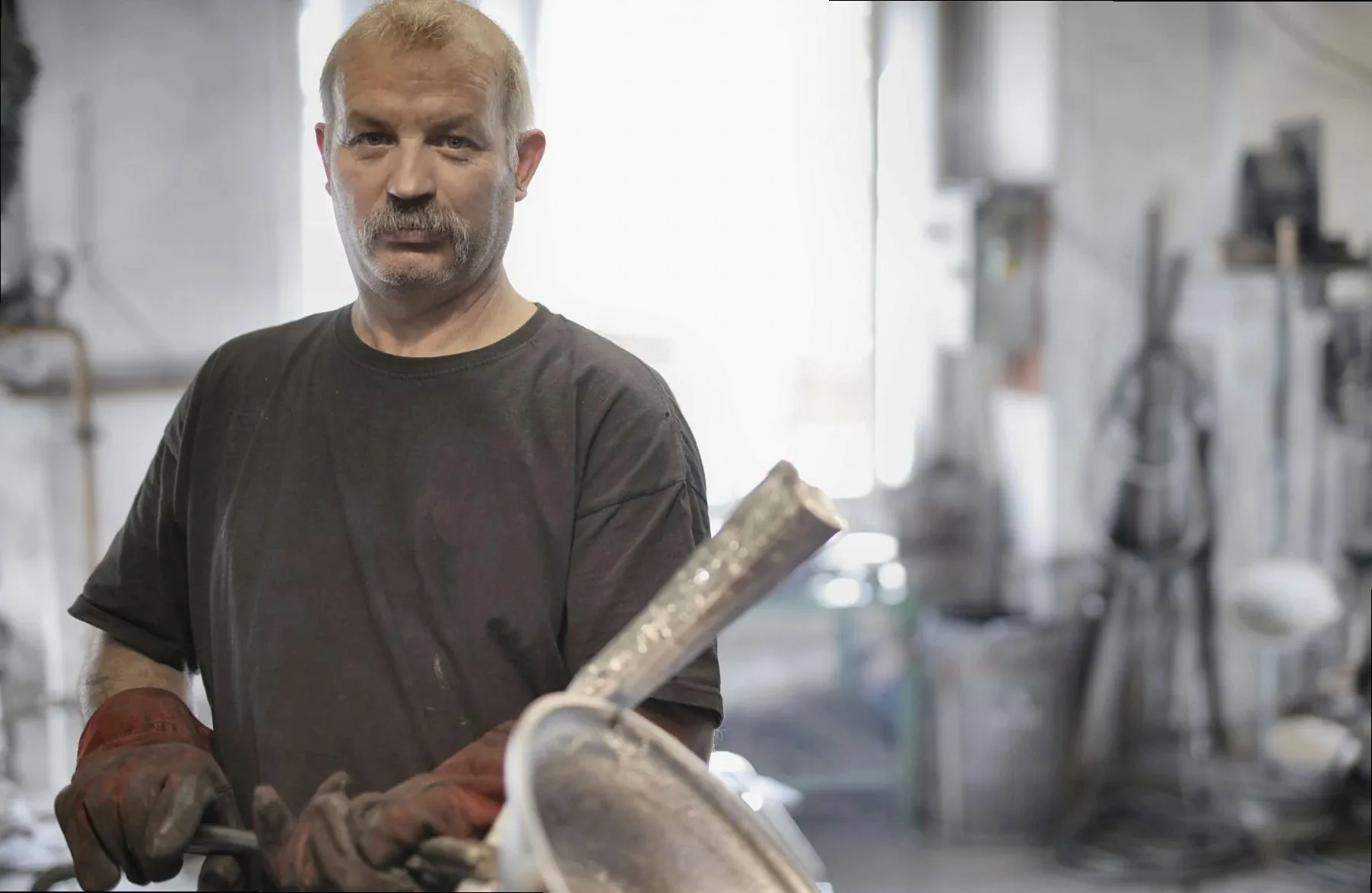
Yuki Tanaka trained as a pattern-cutter at Maison Sato, a mid-size lingerie manufacturer in Osaka, where she spent four years learning to grade swimwear and bralette patterns before realising the industry's standard sizing was built around a single sample size. She left in 2017, spent a year freelancing for a small Tokyo boutique called Hare, and founded Nex Core Flow Path in Shimokitazawa in autumn 2018. Outside the studio, she rides a Miyata touring bicycle along the Tama River on Sunday mornings and keeps a small collection of 1970s Japanese jazz records. She cups every new fabric sample herself before it goes anywhere near a cutting table.